Managing Gout Flares in the Foot: Tips for Prevention and Relief
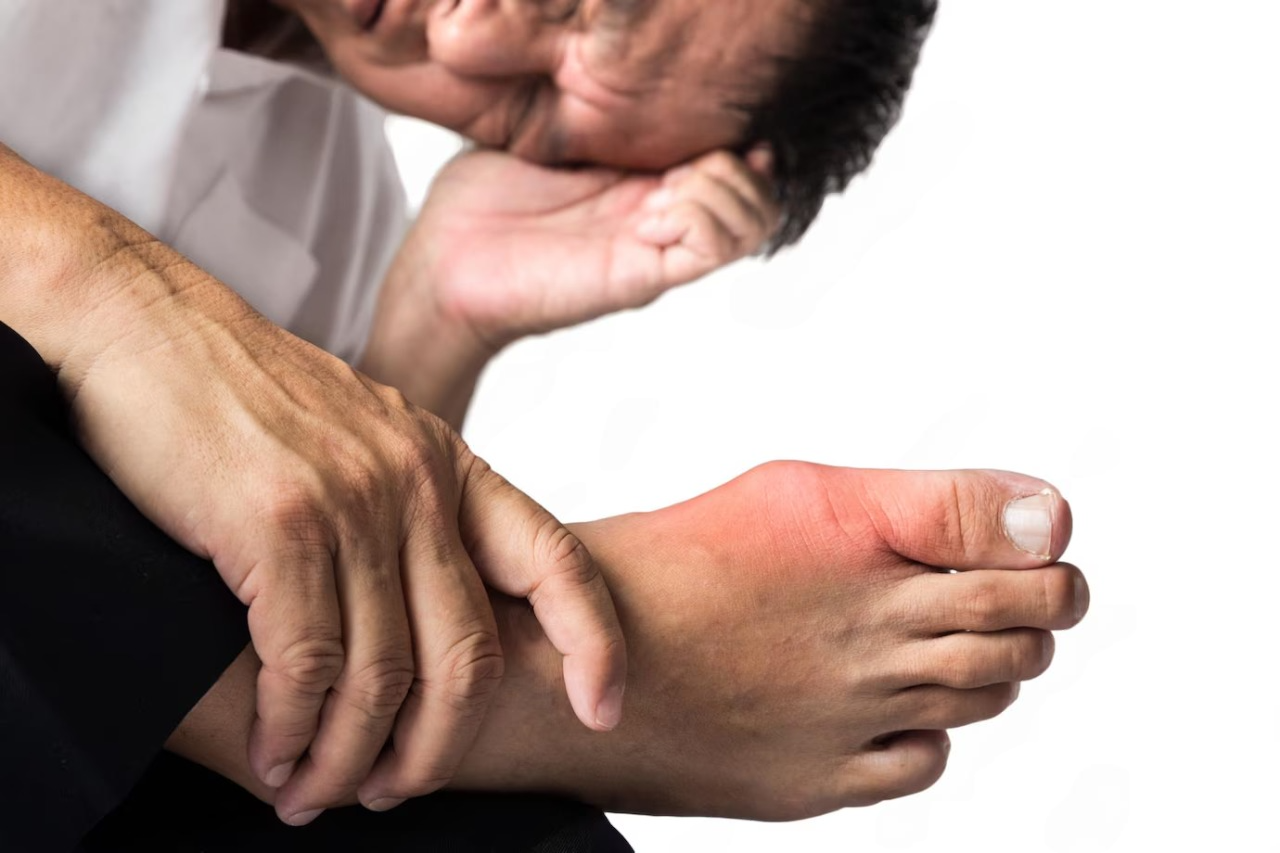
Gout in the foot—especially in the big toe or ankle—often comes with little warning and severe, stabbing pain. This form of arthritis can strike at night or after a long day, leaving you searching for relief. If you’ve ever wondered, how long does gout last, or how to minimize the impact of an attack, you’re not alone.
This guide provides practical, medically sound information on how to identify and treat gout flares, reduce pain, and prevent future episodes. Whether you’re facing a sudden onset or managing recurring attacks, early intervention and consistent care are essential.
Gout flares in the foot occur when excess uric acid crystallizes in the joint, triggering sudden inflammation, swelling, and severe pain. According to the Mayo Clinic, gout commonly affects the big toe joint and can be worsened by dehydration, high-purine diets, alcohol intake, and poor uric acid clearance
Persistent or poorly controlled flares may also contribute to joint damage and reduced mobility over time. A clinical review published through PubMed confirms that without proper management, recurrent gout attacks can lead to chronic joint changes and functional impairment
Understanding Gout in the Foot and Ankle
Gout Symptoms You Shouldn’t Ignore
Gout typically appears without warning. The most common gout symptoms include:
Intense pain and throbbing in the big toe or ankle
Swelling, redness, and warmth over the affected joint
Pain that worsens at night or with movement
These symptoms are sometimes mistaken for infections or sprains. If the pain comes on suddenly and worsens quickly, it may be a sign of uric acid buildup and crystal formation in your joints.
Gout symptoms in the foot often escalate rapidly and may include intense throbbing pain, joint warmth, redness, stiffness, and sensitivity so severe that even light contact becomes uncomfortable. Unlike general foot soreness, gout pain frequently peaks within the first 12 to 24 hours and may linger for several days if inflammation is not addressed appropriately.
Why Gout Commonly Affects the Foot
Your feet—especially your big toe—are often the first place uric acid crystals accumulate. This is partly due to cooler temperatures in the extremities and the effects of gravity, which slow circulation and create an environment where uric acid can settle into joints. As a result, your feet are particularly vulnerable to painful flares.
How Long Does Gout Last—and What Influences Duration?
Typical Timeline for a Gout Flare
The first question many patients ask is: how long does gout last? The answer can vary depending on treatment and severity. Most mild flares last 3–5 days, but untreated gout attacks can stretch up to two weeks. Prompt treatment can shorten flare-ups and reduce inflammation quickly, making early diagnosis essential.
Factors That Can Make It Worse
Several behaviors can worsen or prolong a gout episode:
Delaying treatment after the first signs
Consuming alcohol or sugary beverages
Not drinking enough water
Placing weight or pressure on the joint
Avoiding these triggers and working with a specialist ensures better symptom control and less risk of complications.
How to Stop Gout Pain at Night
Positioning & Comfort Tips
How to stop gout pain at night begins with minimizing joint stress. Elevate your foot with pillows to reduce swelling. Avoid blankets or sheets that press against the joint, and apply cold packs wrapped in cloth for 15–20 minutes at a time.
Sleeping with your foot slightly raised and avoiding constrictive socks or footwear can make a significant difference in nighttime comfort.
Short-Term Relief Options
For short-term relief, many patients turn to:
NSAIDs like ibuprofen (avoid aspirin unless directed by your doctor)
Colchicine or corticosteroids, as prescribed
Hydration to help flush excess uric acid
Severe or frequent episodes require evaluation by a podiatrist for long-term treatment planning.
While rest, hydration, and anti-inflammatory care can ease discomfort, long-term gout control focuses on stabilizing uric acid levels and identifying individual triggers. Recurrent flares may indicate the need for a more comprehensive care plan, including dietary changes, medication management, and foot pressure evaluation.
For a deeper understanding of how gout impacts foot structure and joint health, see our dedicated Gout condition guide:
You may also find helpful context in our resources on Forefoot Pain and Foot Deformities, which discuss how joint inflammation and chronic pressure contribute to ongoing foot complications:
Proven Gout Treatments for the Foot
Medical Approaches to Control Flares
Medical treatment depends on how often you experience gout flares and your overall health. Effective gout treatments may include:
Anti-inflammatory drugs during acute episodes
Uric acid-lowering medications like allopurinol or febuxostat
Colchicine for rapid flare control
Your treatment plan should be customized by a gout specialist to fit your health history and flare frequency. Explore our Gout Treatment Services for personalized care.
Lifestyle Habits that Reduce Flare Frequency
While medication plays a central role, lifestyle matters just as much. These changes can significantly lower flare risk:
Adopting a low-purine diet (limit red meat, organ meats, and seafood)
Reducing alcohol—especially beer
Drinking plenty of water throughout the day
Managing weight and blood pressure
Regular lab tests can monitor uric acid levels and guide treatment.
When Gout Affects the Ankle
Recognizing Gout in Uncommon Joints
While the big toe is the most common site, gout in the ankle is also frequent and can mimic other conditions. Symptoms may include:
Swelling and redness at the joint
Pain with walking or standing
Stiffness and limited mobility
Because these signs can resemble a sprained ankle or arthritis, accurate diagnosis is crucial.
Treatment Strategies for Ankle Involvement
Management of ankle gout requires a combination of treatments. Your podiatrist may recommend:
Supportive footwear with extra padding
Custom orthotics to relieve joint pressure
Anti-inflammatory therapy for flare control
Schedule an evaluation at one of our South Jersey locations to begin your personalized care plan.
Conclusion
Gout flares in the foot can be debilitating, but effective management involves more than short-term symptom control. Identifying triggers, protecting the affected joint, and preventing repeated inflammation are essential to preserving mobility and avoiding lasting joint damage.
Patients seeking expert care for gout-related foot pain can access specialized podiatric treatment through the Foot & Ankle Centers of South Jersey. Our team supports patients across Voorhees, Woodbury Heights, Pine Hill, and Turnersville with comprehensive evaluation and personalized care plans designed to reduce flare recurrence and joint deterioration.
Schedule your appointment today and take the next step toward pain-free living.
Frequently Asked Questions
-
Gout flares are commonly triggered by elevated uric acid levels, dehydration, alcohol intake, high-purine foods (red meat, shellfish), and sudden changes in medication or diet. These factors cause uric acid crystals to accumulate in the joint, leading to intense inflammation.
-
Most gout attacks peak within 12–24 hours and can last anywhere from several days to over a week if not properly managed. Repeated flare duration may increase if underlying joint damage develops.
-
Yes. Weight-bearing pressure on an inflamed joint can intensify pain and prolong recovery, particularly when the big toe or forefoot joint is involved. This often overlaps with broader forefoot stress patterns described here.
-
Cold therapy is generally recommended during an acute gout flare, as it helps reduce swelling and inflammation. Heat may worsen the inflammatory response when the joint is actively flaring.
-
Yes. Repeated flares increase the risk of chronic joint damage and deformity. A podiatrist can assess structural impact and guide long-term management using condition-specific care strategies found in our Gout resource page.